
HACCP Course Dublin and Cork – Meeting HACCP Requirements in Ireland
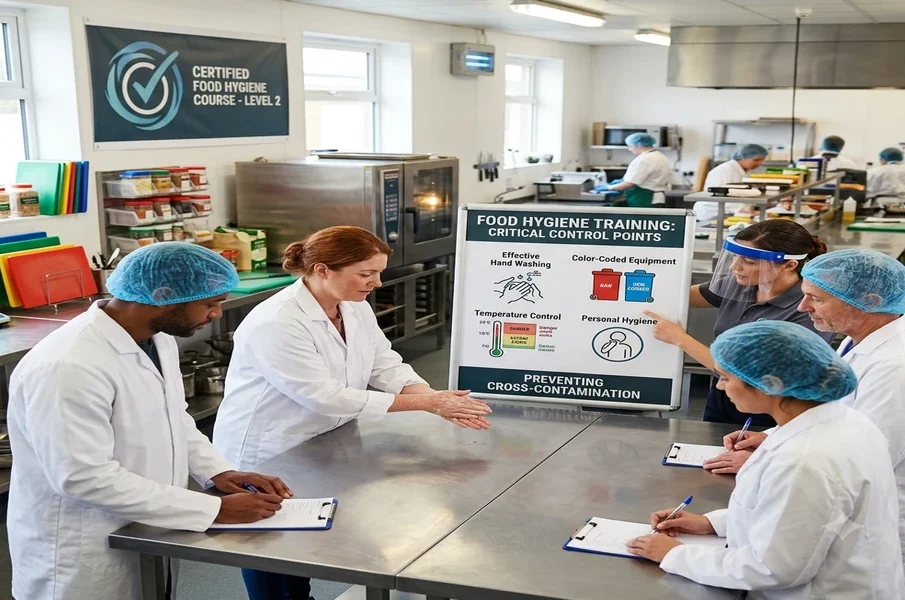
If you run a food business in Dublin, Cork, or anywhere across Ireland, completing a recognised HACCP course is not optional – it is a legal and operational necessity. HACCP training in Dublin and Cork is in high demand as food businesses face increasing regulatory scrutiny from the Food Safety Authority of Ireland (FSAI) and Environmental Health Officers. HACCP – Hazard Analysis and Critical Control Points – underpins all food safety management systems required under Irish and EU law. Whether you are a food handler, supervisor, or business owner, certified HACCP training gives you the knowledge and credentials to operate confidently and compliantly. Explore fully accredited courses at irish-haccp.ie.
H2: Quick Answer – What Are the HACCP Requirements in Ireland?
Under EU Regulation (EC) No 852/2004 and Irish food safety law enforced by the FSAI, all food business operators must implement a HACCP-based food safety management system. This requires trained staff, a documented HACCP plan, monitoring records, and corrective action procedures. Non-compliance can result in prosecution and closure.
H2: Understanding HACCP Requirements in Ireland
What Is Required?
HACCP requirements in Ireland are primarily governed by the Food Safety Authority of Ireland Act 1998 and EU Regulation (EC) No 852/2004. Every food business – from a small café in Cork to a large food production facility in Dublin – must operate a documented HACCP-based system that identifies, monitors, and controls food safety hazards.
The regulation requires businesses to:
- Identify all potential hazards in their food process
- Determine Critical Control Points (CCPs) where hazards can be controlled
- Set measurable critical limits for each CCP
- Monitor and record CCP performance consistently
- Take documented corrective action when limits are breached
- Verify that the system is working and keep comprehensive records
How It Works in Practice
In practice, compliance starts with properly trained staff. Environmental Health Officers regularly inspect food businesses across Dublin, Cork, and the rest of Ireland, and the first question they typically ask is: have your staff received appropriate food safety training? A valid HACCP Food Safety Level 1 or Level 2 certificate from a recognised provider like irish-haccp.ie is one of the most important documents your team can hold.
Why It Matters for Dublin and Cork Businesses
Dublin and Cork are Ireland’s two largest cities and home to thousands of food businesses – from restaurants, hotels, and takeaways to food manufacturing plants and catering companies. Both cities have active FSAI inspection regimes. Businesses without trained staff and documented HACCP systems face real enforcement risk, including improvement notices, prohibition orders, and prosecution.
Key Benefits of HACCP Training in Dublin and Cork
- Direct Legal Compliance: Completing a certified HACCP course in Dublin or Cork satisfies the regulatory requirement for trained food safety personnel under Irish and EU law, protecting your business from enforcement action.
- Qualified Staff at Every Level: HACCP Food Safety Level 1 is ideal for food handlers and front-of-house staff, while Level 2 prepares supervisors and managers to build, implement, and monitor a full HACCP plan.
- Flexible Online Learning: Businesses in Dublin, Cork, and across Ireland no longer need to attend in-person classes. Fully accredited online HACCP training at irish-haccp.ie allows staff to complete certification at their own pace, around shift patterns and operational demands.
- Immediate Application to Your Business: HACCP training is highly practical. Staff learn how to apply food safety principles directly to their specific workplace – from temperature monitoring in a Dublin restaurant kitchen to allergen management in a Cork food production facility.
- Competitive Business Advantage: HACCP-certified teams signal professionalism and credibility to customers, clients, and hospitality sector partners. Certification is increasingly expected by major food retailers, hotel groups, and contract catering clients.
- Cost-Effective Compliance: Online HACCP courses are an affordable way to certify your entire team, with no travel costs or operational downtime associated with traditional classroom training.
- Preparation for Third-Party Audits: Many Dublin and Cork food businesses undergo regular third-party food safety audits. Certified HACCP-trained staff and documented systems make these audits significantly smoother.
H2: Step-by-Step Process – Getting HACCP Certified in Dublin or Cork
Step 1: Identify Who Needs Training Assess your team structure. All food handlers need HACCP Food Safety Level 1. Supervisors, head chefs, kitchen managers, and food safety officers require Level 2. Make a list of every staff member who handles, prepares, or manages food.
Step 2: Choose an Accredited HACCP Training Provider Select a recognised, accredited provider that meets Irish food safety training standards. irish-haccp.ie offers fully accredited HACCP Food Safety Level 1 and Level 2 courses online, accessible to all food businesses in Dublin, Cork, and across Ireland.
Step 3: Enrol and Complete Your HACCP Course Register on the platform, enrol in the appropriate level, and complete the course modules. Online courses allow learners to progress at their own pace, making it practical for busy food businesses. On successful completion, learners receive their HACCP certification.
Step 4: Apply Learning to Your Workplace HACCP Plan Once trained, use the knowledge gained to review or develop your workplace HACCP plan. Level 2 graduates are equipped to conduct hazard analyses, identify CCPs, and build documented monitoring systems compliant with Irish food safety law.
Step 5: Maintain Records and Refresh Training Regularly Store all HACCP certificates and training records securely. Update training records whenever new staff join, roles change, or your food processes are significantly altered. Review your HACCP plan at least annually.
Important Statistics and Industry Insights
Ireland’s food and drink sector is one of the country’s most economically significant industries. The hospitality sector alone employs hundreds of thousands of people across Dublin, Cork, and the wider country, and food safety training is a non-negotiable component of workforce development.
According to the World Health Organization (WHO), foodborne diseases affect an estimated 600 million people globally each year, reinforcing the critical importance of prevention-based food safety systems like HACCP. In Ireland, the FSAI publishes annual enforcement reports documenting the volume and outcomes of food safety inspections nationwide – and food safety management system non-compliance consistently features among the most common issues found.
The demand for online food safety training in Ireland has grown significantly in recent years. Businesses across Dublin, Cork, Galway, Limerick, and beyond increasingly favour online HACCP courses for their flexibility, cost-efficiency, and immediate availability. Platforms like irish-haccp.ie have made certified training accessible to businesses of all sizes, from sole traders to national chains.
Additionally, the growing consumer awareness around food allergies and intolerances has intensified the need for comprehensive food safety training that covers allergen management as part of the broader HACCP framework.
Common Mistakes to Avoid When Meeting HACCP Requirements
1. Assuming Training Is Only for Large Businesses HACCP requirements apply to every food business in Ireland, regardless of size. A small café in Cork city or a food truck in Dublin is subject to the same legal obligations as a large food manufacturer. All staff handling food require appropriate HACCP training.
2. Using Unaccredited Training Providers Not all food safety courses carry regulatory weight. Completing a course through an unrecognised provider may not satisfy FSAI or EHO requirements. Always verify that your chosen provider offers fully accredited HACCP Food Safety Level 1 and Level 2 certification. See the accredited options at irish-haccp.ie.
3. Training Once and Never Updating Food safety is not a box-ticking exercise. Staff who completed training years ago may be working with outdated knowledge, particularly as food safety regulations and best practices evolve. Regular refresher training is strongly recommended.
4. Not Keeping Copies of Certificates EHOs regularly request proof of training during inspections. Businesses that cannot produce HACCP certificates for their staff face unnecessary compliance complications. Store all certificates securely and maintain an up-to-date training register.
5. Treating HACCP as a Document Exercise Only Some businesses create a HACCP plan for compliance purposes but fail to embed it into daily operations. HACCP must be a living system – monitored, updated, and genuinely practised by all relevant staff every day.
6. Overlooking Seasonal and Temporary Staff High-turnover businesses in Dublin and Cork’s hospitality sectors often fail to train seasonal workers before they start handling food. Every food handler must be appropriately trained before they work unsupervised.
Expert Recommendations for HACCP Compliance in Dublin and Cork
- Prioritise HACCP Level 2 for supervisors. A business’s HACCP system is only as strong as the person responsible for managing it. Ensure supervisors and food safety leads hold HACCP Food Safety Level 2 certification.
- Conduct a pre-inspection readiness check. Before any EHO visit, internally review your HACCP plan, monitoring records, and staff training certificates to identify and address any gaps proactively.
- Use online training to onboard new staff faster. In fast-paced Dublin and Cork hospitality environments, online HACCP training at irish-haccp.ie allows new hires to achieve certification quickly without waiting for scheduled classroom sessions.
- Align your HACCP plan with FSAI guidance. The FSAI publishes sector-specific food safety guidance documents. Cross-reference your HACCP plan against the relevant FSAI guidance for your business type.
- Treat allergen management as a HACCP priority. Under EU food information law, allergen management is a critical food safety responsibility. Ensure your HACCP plan specifically addresses allergen controls at each relevant process step.
- Keep digital records where possible. Digital monitoring logs and training records are easier to maintain, retrieve, and present during inspections. Many food businesses in Dublin and Cork are transitioning to digital food safety management tools.
Frequently Asked Questions (FAQs)
1. Is there a specific HACCP course for Dublin businesses? There is no Dublin-specific HACCP qualification requirement. Any nationally accredited HACCP Food Safety Level 1 or Level 2 certification is recognised across Ireland, including Dublin. Online courses at irish-haccp.ie are accessible to all Dublin food businesses.
2. Can I do a HACCP course online in Cork? Yes. Businesses in Cork and across Ireland can complete fully accredited HACCP Food Safety training online through irish-haccp.ie, with no need to attend a physical training venue.
3. What is the difference between HACCP Training Level 1 and Level 2? Level 1 is for food handlers and covers basic hygiene principles and hazard awareness. Level 2 is for supervisors and managers and covers the full development, implementation, and management of a HACCP food safety plan.
4. How long does a HACCP course take to complete? HACCP Food Safety Level 1 typically takes a few hours to complete online. Level 2 is more comprehensive and may take a full day or longer, depending on the learner’s pace. Online formats allow learners to study at their own convenience.
5. Do I need HACCP training if I only work part-time in a food business? Yes. Any person who handles, prepares, or is involved in the production of food must have appropriate food hygiene and HACCP training, regardless of whether they work full-time or part-time.
6. What happens during an FSAI inspection in Dublin or Cork? During an inspection, Environmental Health Officers assess your food hygiene practices, HACCP documentation, staff training records, premises conditions, and food storage and temperature controls. Having up-to-date HACCP certifications for your staff is a key compliance indicator.
Conclusion
Meeting HACCP requirements in Ireland is a non-negotiable responsibility for every food business – whether you operate in Dublin, Cork, or any other part of the country. A certified HACCP course equips your team with the knowledge to implement, manage, and maintain a food safety system that is fully compliant with Irish and EU law.
The key takeaway is straightforward: properly trained staff and a documented HACCP plan are the two most critical components of food safety compliance in Ireland. The risks of non-compliance – enforcement action, reputational damage, and most importantly, harm to consumers – are simply too significant to ignore.