4 Benefits of Choosing a Private International School in Singapore
Key Highlights
- International curricula provide students with a globally recognised academic foundation.
- Multicultural environments foster a sense of global citizenship and cultural empathy.
- Smaller class sizes ensure that each student receives personalised attention from educators.
- Extensive extracurricular programmes support the development of well-rounded individuals.
Introduction
Singapore is widely regarded as a global hub for education, known for its high standards and rigorous academic environment. For expatriate families and many locals, private international schools in Singapore offer a unique educational experience that bridges the gap between local excellence and global perspectives. These institutions are designed to cater to a diverse student body, providing an environment where different cultures and ideas converge. Choosing the right school is one of the most important decisions a parent can make, as it shapes a child’s academic trajectory and personal development. By opting for an international setting, parents can ensure their children are prepared for the complexities of a modern, interconnected world. The benefits of these schools extend far beyond the classroom, influencing a student’s social skills, language abilities, and future career opportunities.
1. Access to Globally Recognised Curricula
One of the primary reasons parents choose private international schools in Singapore is the variety of world-class curricula available. Unlike local schools that follow a national framework, international institutions often offer the International Baccalaureate (IB), the British IGCSE and A-Levels, or the American High School Diploma. these frameworks are designed to be portable, making it easier for children to transition if the family moves to another country. Furthermore, these curricula often focus on critical thinking, inquiry-based learning, and real-world application rather than rote memorisation. This approach equips students with the skills necessary to excel in top universities worldwide. By studying in such an environment, students gain a competitive edge in the global higher education landscape.
2. A Diverse and Multicultural Environment
The student population in private international schools in Singapore is incredibly diverse, representing dozens of different nationalities. This multicultural setting provides a natural classroom for learning about global citizenship. Students interact daily with peers from different backgrounds, fostering a deep sense of cultural empathy and a broader worldview. In such an environment, children learn to appreciate different perspectives and develop the communication skills needed to thrive in international settings. This exposure is invaluable in today’s globalised economy, where the ability to work across cultures is a highly sought-after trait. Beyond academic lessons, the friendships formed in these schools often span the globe, providing students with a rich network of international connections that can last a lifetime.
3. Personalised Attention and Smaller Class Sizes
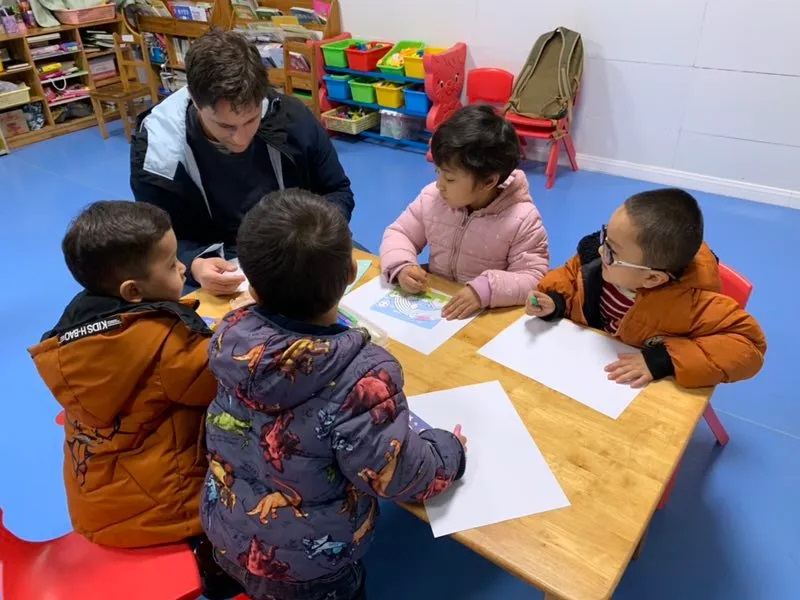
Another significant advantage of private international schools in Singapore is the typically lower student-to-teacher ratio compared to many public institutions. Smaller class sizes allow teachers to get to know each student’s strengths, weaknesses, and learning styles. This personalised attention ensures that no child is left behind and that high-achievers are sufficiently challenged. Teachers in these schools often have more flexibility to tailor their instructional methods to meet the needs of their students. This supportive atmosphere encourages students to participate more actively in class discussions and to take risks in their learning. When educators can provide more frequent and detailed feedback, students tend to show greater academic progress and higher levels of confidence in their abilities.
4. Holistic Development and Extracurricular Opportunities
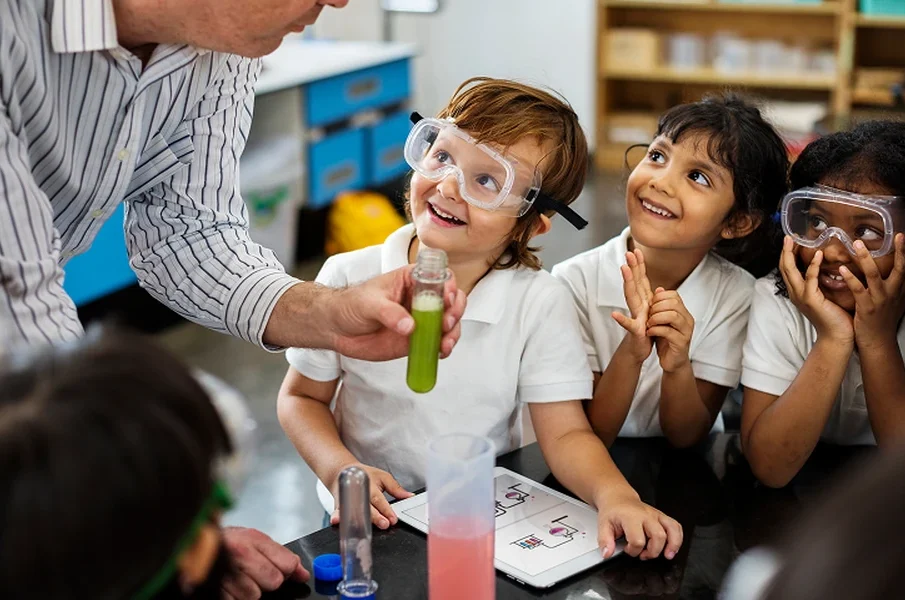
Education in private international schools in Singapore is rarely confined to textbooks. These institutions place a strong emphasis on holistic development, offering an extensive range of extracurricular activities. From competitive sports and performing arts to robotics and community service projects, students are encouraged to explore their interests and develop new talents outside the traditional classroom. These programmes are essential for building soft skills such as leadership, teamwork, and time management. Many international schools also boast state-of-the-art facilities, such as Olympic-sized swimming pools, professional-grade theatres, and high-tech science labs, which enhance the learning experience. By participating in a diverse array of activities, students graduate as well-rounded individuals ready to contribute to society in various ways.
Conclusion
The decision to enrol a child in a private international school is an investment in their future. The combination of globally portable curricula, a diverse social environment, and a focus on personalised, holistic learning makes private international schools in Singapore an excellent choice for many families. These institutions do more than just impart knowledge; they prepare students to be compassionate, critical thinkers who can navigate the world with confidence. While the options in Singapore are numerous, each school offers a unique community and ethos. By carefully considering these benefits, parents can find a school that aligns with their family’s values and their child’s aspirations. In a city that prides itself on being a gateway to the world, international education remains a premier pathway to success.
Seeking a nurturing and globally focused education for your child? Contact TLS Academy to learn more about our unique approach among private international schools in Singapore.