How a Structured Bilingual Preschool in Singapore Prepares Kids for a Global Future
Key Highlights
- Bilingual education enhances cognitive flexibility and problem-solving abilities in young children.
- Structured learning environments provide the necessary framework for developing essential executive function skills.
- Inquiry-based learning approaches foster curiosity and critical thinking from an early age.
- Early social interaction and cultural exposure prepare children for a diverse and connected global future.
Introduction
In an increasingly interconnected world, the ability to adapt, communicate, and think critically is more valuable than ever. Parents today are navigating a landscape where preparation for the future begins long before formal schooling. Choosing the right educational path for a child is a significant decision, and many are finding that a bilingual preschool in Singapore offers a unique advantage. By integrating language immersion with structured pedagogy, these institutions provide more than just early academic training; they nurture the cognitive and social foundations that define a global citizen.
The Cognitive Advantage of Bilingualism
The benefits of learning two languages during early childhood extend far beyond vocabulary. Research consistently demonstrates that the brain development associated with bilingualism leads to enhanced executive function. When a child learns to navigate between two linguistic systems, such as English and Chinese, they are essentially training their brain to switch tasks, focus attention, and filter out irrelevant information.
This mental gymnastics strengthens the prefrontal cortex, which is responsible for critical thinking and problem-solving. A Chinese preschool in Singapore that emphasises natural language integration allows children to develop these skills organically. Rather than rote memorisation, children learn to associate languages with contexts, people, and objects, making the learning process both meaningful and enduring. This early cognitive stimulation serves as a foundation for complex reasoning that remains with them as they transition into primary school and beyond.
The Role of Structured Environments
A common misconception is that early childhood education should be entirely unstructured. In reality, a balanced approach is vital. A structured curriculum provides the scaffolding necessary for young minds to explore their environment safely. When children know what to expect from their daily routines, they feel a greater sense of security, which lowers stress levels and opens the door to deeper learning.
At a high-quality bilingual preschool in Singapore, structure is used as a tool to cultivate independence. By providing clear routines-from designated learning corners to specific times for collaborative play-educators empower children to take ownership of their own actions. This sense of agency is crucial for long-term academic success. It teaches children how to manage their time, understand boundaries, and work effectively within a group, all of which are essential skills for the global workforce they will eventually enter.
Inquiry-Based Learning and Critical Thinking
Future success depends on the ability to ask the right questions rather than just knowing the right answers. Modern education is shifting towards inquiry-based models where children are encouraged to investigate the world around them. When a curriculum is structured yet flexible, it allows children to pursue their curiosity while remaining grounded in core educational goals.
In a well-planned bilingual programme, this might look like a science project where children observe plant growth, or an art session where they discuss the textures and colours they use. By exploring these topics in both English and Chinese, children learn to approach challenges from multiple perspectives. This dual lens on information encourages a more nuanced understanding of the world, fostering a mindset of open-mindedness and adaptability that is essential for a global future.
Social and Emotional Readiness
The global future will be one that values collaboration. Exposure to a diverse and bilingual environment from a young age prepares children to interact with peers from various backgrounds with confidence and empathy. By learning to communicate across language barriers, children naturally develop stronger social intelligence.
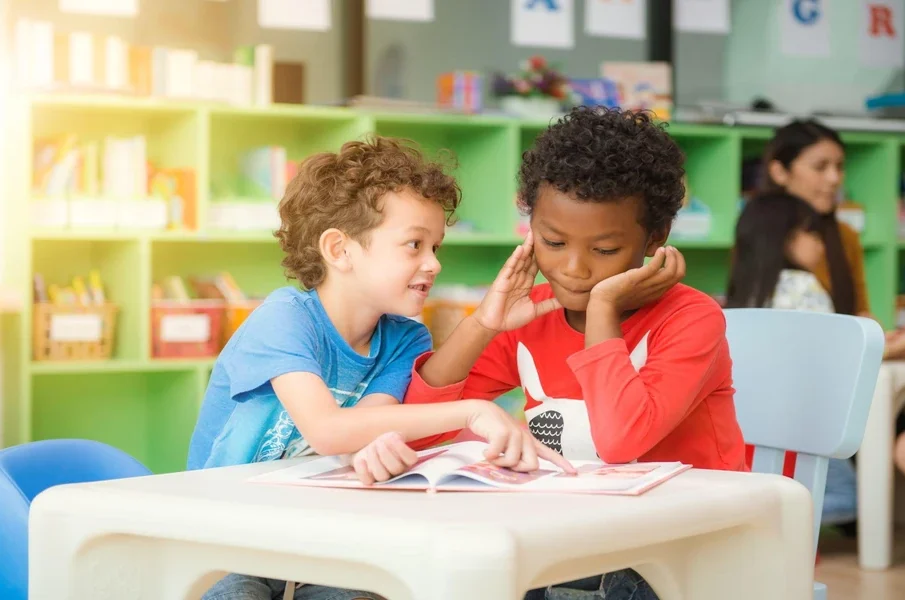
A structured preschool environment also encourages collaboration through group work. When children are required to communicate ideas, negotiate with peers, and reach a consensus during a class project, they are developing the interpersonal skills that are highly sought after in professional environments later in life. They learn that their voice matters and that they can contribute positively to a team, laying the groundwork for leadership and community participation.
Conclusion
Preparing children for a global future is about providing them with the tools to navigate a complex and rapidly changing world. A structured bilingual preschool in Singapore does exactly this by combining language immersion with inquiry-based learning and a focus on social development. Through consistent exposure to both English and Chinese, guided by experienced educators, children build the cognitive, academic, and interpersonal strengths needed to thrive. Investing in these early years is not just about academic readiness; it is about cultivating the curiosity, resilience, and confidence that will serve a child for a lifetime.
At Raffles Kidz International, we are committed to providing a holistic bilingual environment that prepares your child for the future. If you would like to learn more about our curriculum or see our facilities in person, contact us today to schedule a school tour and discover how we can support your child’s learning journey.